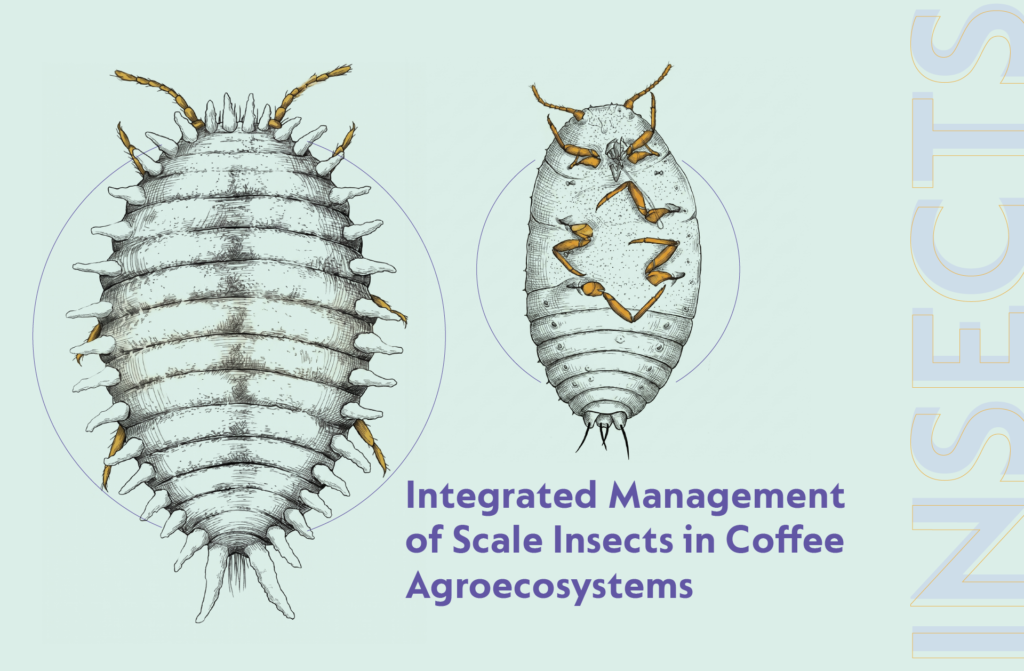
Scale Insects in Coffee Plantations Biology, Potential Damage, and Its Management Strategies (358)
Current Status
Not Enrolled
Enroll in this course to get access
Price
Closed
Get Started
This course is currently closed
Welcome to the ‘Integrated Management of Scale Insects in Coffee Agroecosystems’ course. This program is designed for Agronomists and technical advisors, providing a science-based foundation for adopting sustainable, ecology-centered pest management practices. We focus on achieving durable, scalable, and sustainable control of the rosetta mealybug (Planococcus spp.) in Coffea canephora systems, moving beyond the limitations of traditional, conventional interventions.
Rosetta mealybugs represent a severe and persistent threat to coffee yields. Their impact is defined by a complex cycle of resilience and damage:
Biological Resilience: Species like the rosetta mealybug utilize waxy protective barriers and cryptic rosette colonization, which significantly limit the effectiveness of many conventional chemical interventions.
Cascading Damage: These pests thrive in dense, humid canopies, feeding on sap and secreting honeydew, which fosters sooty mold—thereby reducing photosynthetic capacity and plant vigor.
The Ecological Trap: Their survival is actively bolstered by ant-mediated protection (mutualism), which disrupts natural biological control and can facilitate the transmission of plant viruses.
The core management challenge is overcoming these protective barriers and mutualistic defenses by transitioning from reactionary tactics to a holistic, ecology-based IPM strategy.
Effective management requires a dual strategy to transition toward modern, resilient coffee systems:
Suppress: Actively reduce populations using an integrated approach that overcomes field constraints. This involves using early detection tools—such as pheromone traps and weather-based forewarning models—to anticipate population peaks and guide timely field actions. We emphasize the integration of targeted biological agents, including entomopathogenic fungi and nematodes, which provide promising, low-risk, and highly effective components for long-term suppression.
Promote: Foster an environment that naturally regulates pest populations. This includes canopy modification to improve airflow, habitat diversification to support indigenous predators and parasitoids, and essential ant management to dismantle the mutualistic protection the mealybugs rely on.
By combining data-driven monitoring with targeted biological treatments and habitat-focused cultural practices, we move from reactive, single-tactic control to a proactive, resilient management model.
By completing this course, you will be able to:
Identify and Monitor: Utilize modern detection tools, including pheromone-based surveillance and climate forecasting, to make data-driven decisions that anticipate population outbreaks before they peak.
Implement Targeted Control: Apply strategies that combine biological agents (fungi and nematodes) with strategic ant control and canopy modification to effectively bypass the mealybug’s waxy protection and mutualistic defenses.
Design Sustainable Plans: Develop site-specific, ecology-based action plans that prioritize the conservation of natural enemies and ensure the durable, scalable suppression of sap-sucking pests in Coffea canephora systems.
Through this training, you will gain the expertise to transform the threat of scale insects into a manageable component of a resilient, sustainable coffee production system.
Important: This course includes mandatory interactive activities. You must review 100% of the available resources and content for the system to mark the course as completed.